
Last updated
How fast can Lake Forest Porta Pros respond to a disaster?
Speed depends on what roads are open and how many units the situation needs. We keep stock ready for emergency porta potty rental calls because disaster response does not wait for a normal delivery window. A roll-off truck needs about 60 feet of straight clearance behind it to set a unit safely, so we scout the drop zone before we roll, especially if debris or floodwater has changed the site.
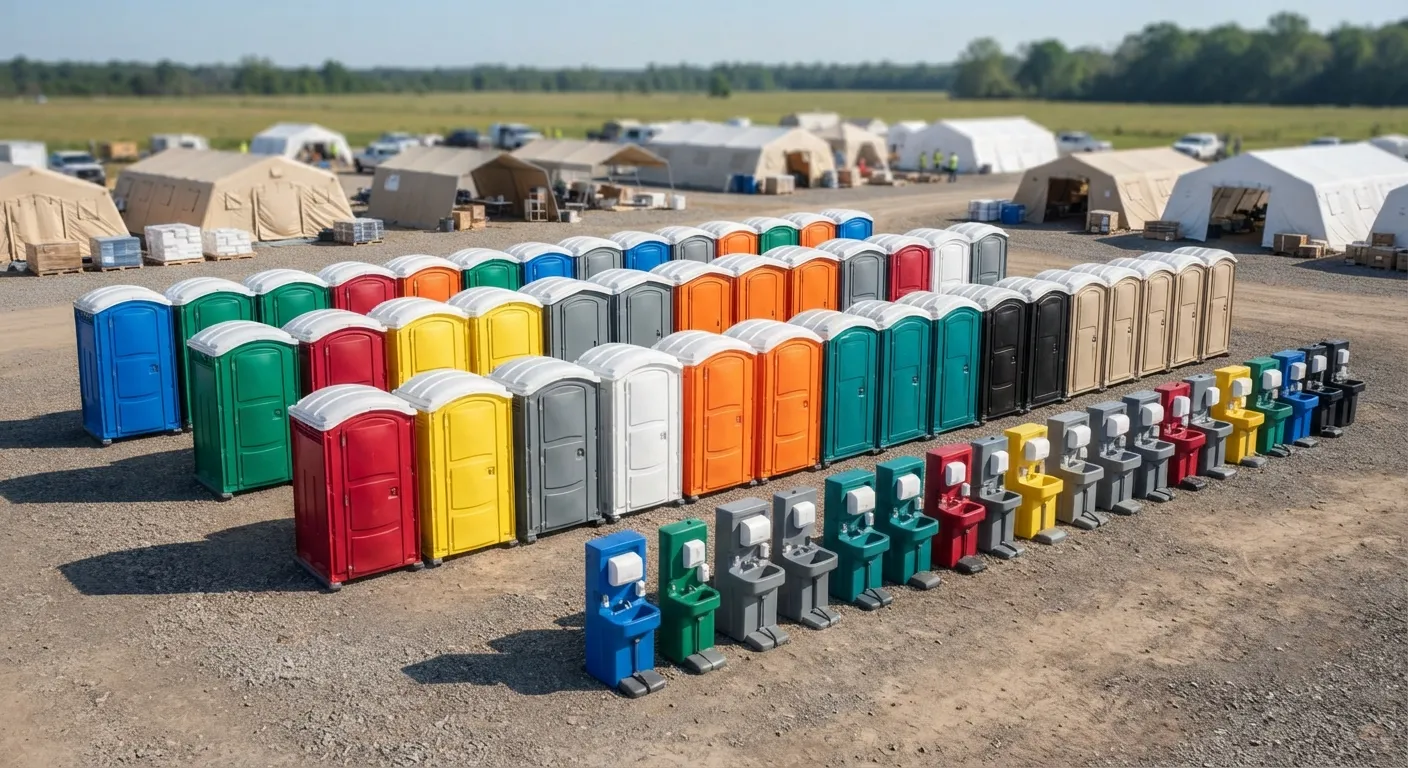
Lake Forest sits inland from the coast, and when a wide-area event hits, we can also stage from nearby communities. Laguna Woods is 5.2 miles southwest, Laguna Hills is 5.8 miles south, and Rancho Santa Margarita is 6.4 miles east, so if one route is blocked another usually is not. For agencies coordinating shelters or staging areas, construction site services and portable restroom rental can both scale up together, restrooms, handwashing, and fencing to secure a perimeter.
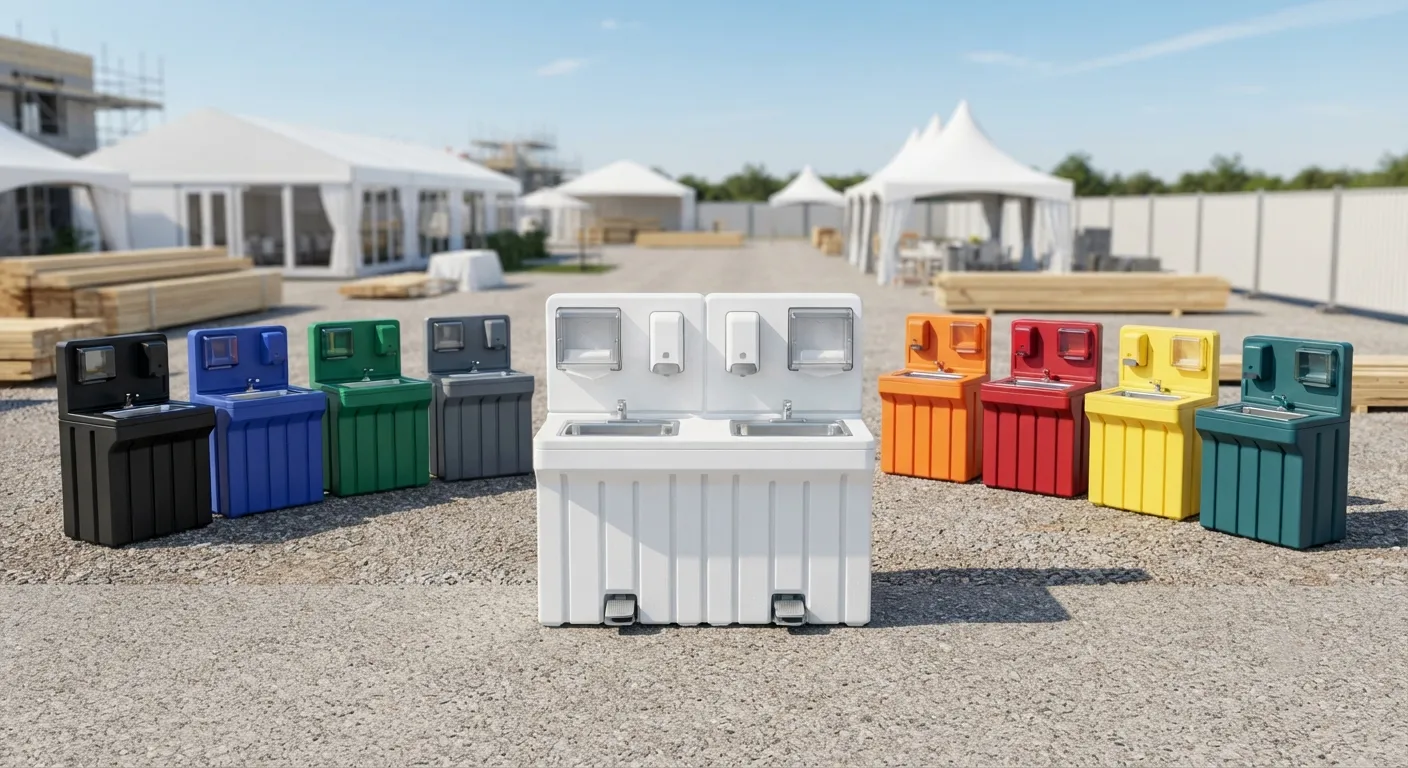
Contamination is the other half of disaster sanitation. Floodwater carries bacteria, and downed sewer lines make portable toilets the only safe option until repairs finish. We pair every deployment with handwashing station rental units, because 29 CFR 1910.141(d)(2) requires soap and towels or a hand drying device at wash stations, not just sanitizer. That standard applies to general industry workplaces, and it is a good baseline for any relief operation putting people to work in the field.
What sanitation do shelters and relief sites actually need?
A shelter or staging area needs toilets, handwashing, and often a way to keep the site secure while people move through it. OSHA 1926.51(c) sets construction ratios: one toilet for 20 workers or fewer, then one toilet seat and one urinal per 40 workers once you pass 20, dropping to one per 50 at 200 or more. Relief camps and volunteer staging areas are not always construction sites, but the ratio is a workable planning number when nothing more specific applies locally.
Accessibility does not get suspended during a disaster. ADA Standards section 213.2 requires that where portable toilets are clustered, at least 5 percent be accessible units, and never fewer than one. Our ADA accessible porta potty units meet the clear width and turning space specs that let responders in wheelchairs use the site without extra help. If the relief site includes an intake area or medical tent, a restroom trailer rental can offer more privacy and a step up from standard units, and the 4 stall restroom trailer handles a mid-size crew without crowding.
Debris removal usually runs alongside sanitation. A roll-off dumpster rental clears storm debris and damaged materials fast, and OSHA 1926.25 calls for scrap and debris to be cleared from work areas, which applies just as much to a relief site as a job site. If the cleanup involves flooded septic systems, septic pumping service gets tanks emptied so they stop backing up into yards and streets. A typical residential tank runs 1,000 gallons and gets pumped every 3 to 5 years under normal use, but flood conditions can force an unscheduled pump-out well ahead of that.

Do disaster relief sites in Lake Forest need permits for portable toilets?
Placement in the public right of way needs confirming with the city, and we have not verified a blanket disaster exemption, so check with Lake Forest before setting units on a street or sidewalk. On private property, staging is usually straightforward. For agencies planning ahead of a known risk, like fire season, our porta potty placement guide and porta potty permit requirements pages cover the questions cities ask most. Lighting matters too: OSHA 1926.56(a) sets minimum illumination levels for construction areas, and a dark staging site is a hazard whether or not it is technically a job site. A light tower rental solves that fast when power is out.
Fencing keeps a chaotic site organized. Temporary fence rental sections off donation drop points, equipment storage, or a triage area, and barricades used for that purpose should meet ANSI D6.1 under OSHA 1926.202. If the relief operation needs somewhere to store donated supplies or gear, a storage container rental or mobile office trailer rental gives coordinators a dry, locked space on site.
How much does emergency porta potty rental cost during a disaster?
Standard unit day rates typically run 100 to 350 dollars depending on demand and delivery distance. Weekend service, common for fast-moving events, falls in a similar range. See porta potty rental cost for the full breakdown by duration.
How many toilets does a shelter of 200 people need?
Under OSHA 1926.51(c), 200 workers need one toilet seat and one urinal per 50 people, roughly four units. Shelters are not job sites, but that ratio is a reasonable starting point. Our how many porta potties do I need guide walks through adjustments for hours and crowd flow.
Can you deliver portable toilets same day for an emergency?
Often yes, depending on unit availability and road access. We prioritize emergency porta potty rental requests over standard bookings. Call ahead with your address and unit count so we can confirm a route and delivery window right away.
Do relief sites need ADA accessible units?
Yes. ADA Standards section 213.2 requires at least one accessible unit in any cluster, and 5 percent of the total once numbers grow. Our ADA accessible porta potty units meet clear width and reach requirements for wheelchair users.
What happens to septic systems after flooding?
Flooded septic systems can back up fast, sometimes needing a pump-out well before the normal 3 to 5 year cycle. Our septic pumping service clears tanks quickly so yards and streets stop flooding with wastewater.
Next step
Get a delivery date
Tell us the address, the dates and the headcount. We size the order and confirm the route.