Last updated
What items are banned from roll-off dumpsters?
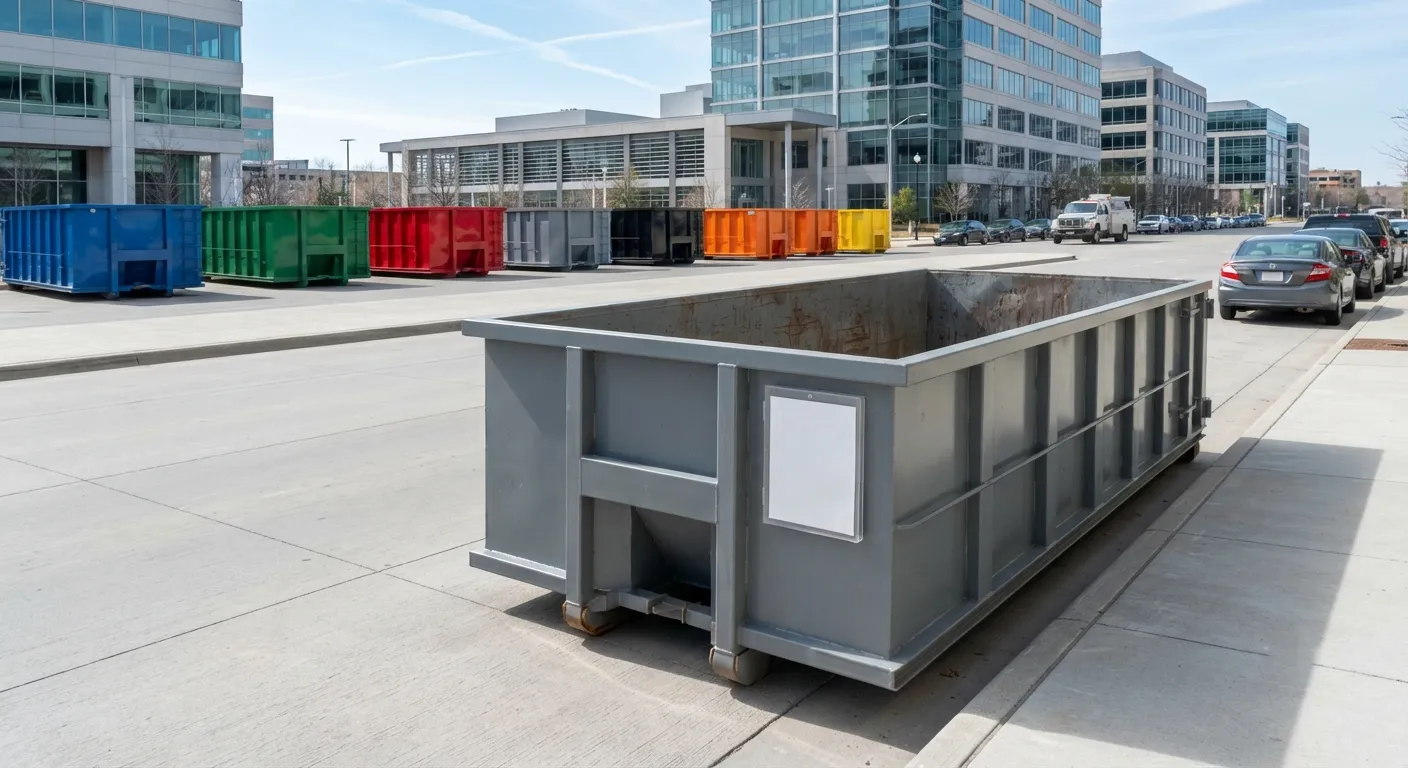
The short list: anything flammable, anything that leaks, anything radioactive, and anything the landfill flags as hazardous waste. That covers paint and paint thinner, motor oil, gasoline, propane cylinders, pesticides, herbicides, car batteries and most fluorescent bulbs. Tires usually get rejected too, along with appliances that still hold refrigerant, like an old fridge or window AC unit, and the same restrictions apply whether you rent through our porta potty rental page or order a box on its own. Asbestos-containing material is its own category and needs a licensed abatement contractor, not a roll-off dumpster rental. Medical waste and biohazard material never go in with construction debris, a rule worth checking against our broader construction site services page before you plan a multi-container job. If you are clearing a Lake Forest property after a renovation, check what cannot go in a dumpster against your permit paperwork before the container even shows up, because some cities tie banned-item lists to the drop-off permit itself. Electronics, or "e-waste," are commonly barred too, and if you are also renting a storage container for the same job, keep e-waste out of that box as well. If your project is going to generate any of these, plan for a separate hauler or a hazardous waste drop-off day instead of hoping the driver does not notice at pickup.
Why do weight and material limits matter here?
Every dumpster size in our dumpster sizes and dimensions lineup has a weight ceiling built into the rental agreement, and going over it costs more than the box itself. A 10 yard dumpster rental or a 20 yard container filled with wet dirt or shingles can hit its limit fast, well before it looks full. Concrete, brick, and dirt are usually capped at a partial load or barred outright, since they are dense enough to overload the truck's axle limits during transport. Check dumpster weight limits before you start loading if your project includes tear-out material like tile, block, or masonry. Lake Forest job sites doing full kitchen or bath demo should separate heavy debris from general trash rather than mixing it all into one construction dumpster rental, and pair the box with a portable restroom rental if crews are on-site all week. A 30 yard or 40 yard dumpster rental gives you more volume, not more weight allowance, so bigger is not always the fix. If you are unsure what a load will weigh, ask before delivery, and review the dumpster permit requirements too if the container sits in a driveway or street. It is cheaper to order a second container than to pay an overage fee on the first one.

Do liquids and wet waste count as prohibited?
Yes. Standing liquid, wet paint, sludge, and anything with free-flowing moisture is barred from a standard roll-off, because liquids leak in transit and complicate landfill acceptance. This applies whether it is a 10 yard box on a driveway job, a 20 yard dumpster rental on a larger remodel, or a 30 yard dumpster rental on a full teardown. Grease is its own problem: a commercial kitchen's interceptor gets pumped once fats, oils, grease and solids reach 25 percent of the liquid depth, and that waste stream goes through grease trap pumping, never into a dumpster. Septic solids follow the same logic. A typical residential tank is pumped every 3 to 5 years depending on tank size and household use, and that material needs a vacuum truck through septic pumping service, not a debris box. If your Lake Forest project involves both dry demo and wet waste, like a bathroom gut job with an old toilet tank still holding water, drain it first, and check our septic tank warning signs page if the fixture ties into a septic system rather than city sewer. OSHA's general housekeeping rule, 1926.25, requires job sites to keep scrap and debris cleared from work areas, and a leaking dumpster creates exactly the hazard that rule is meant to prevent.
What happens if you put a banned item in the dumpster?
The hauler can refuse the pickup, charge a contamination fee, or pull the item out and bill you separately, and none of those outcomes are cheap. Drivers doing the pickup do a visual check before hauling the container away, and anything obviously hazardous, like a propane tank or a car battery sitting on top, gets flagged immediately. This is why sorting matters more than volume. A well-loaded 10 yard box with clean debris moves through faster than an overloaded 30 yard box mixed with banned material. For jobs near Laguna Hills, about 5.8 miles south, or Rancho Santa Margarita, roughly 6.4 miles east, the same rules apply. There is no separate list for neighboring cities. If you are not sure whether an item qualifies, ask before it goes in the box, or check our FAQ page for other common load questions. Lake Forest Porta Pros would rather answer that question over the phone than deal with a rejected load on pickup day.
What items commonly get flagged on job sites
| Item type | Allowed in standard dumpster | Notes |
|---|---|---|
| Household trash | Yes | General debris, no liquids |
| Wood, drywall, flooring | Yes | Check weight limit |
| Concrete, brick, dirt | Limited | Often capped by weight or barred |
| Paint, solvents, oil | No | Hazardous waste drop-off required |
| Tires | No | Separate disposal needed |
| Refrigerant appliances | No | Requires certified recovery |
| Batteries | No | Recycling center only |
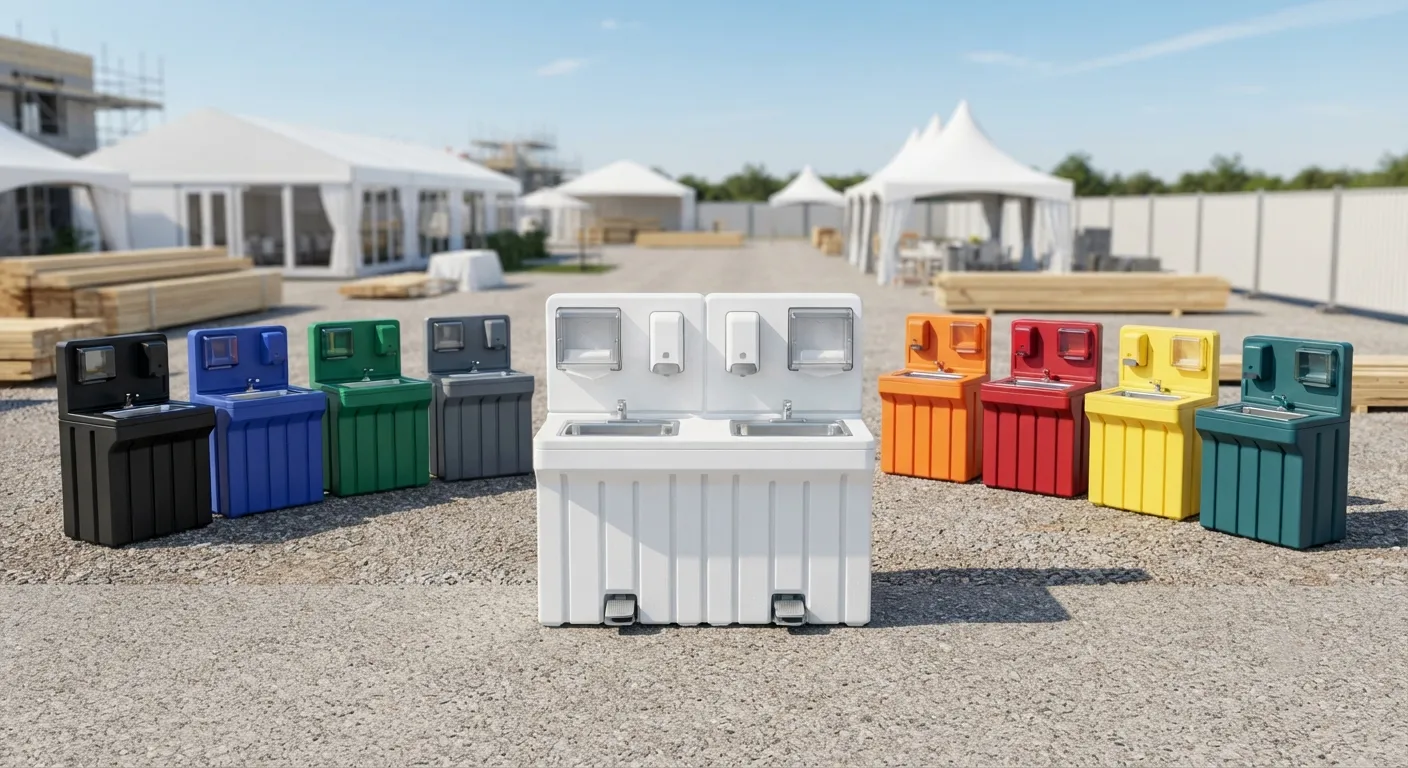
For a renovation project generating painting waste, remember that OSHA 1926.51(f)(1) requires washing facilities where employees are applying paints, coatings, herbicides or insecticides, so plan for a handwashing station rental alongside your home renovation porta potty if crews are on-site for more than a day.
Can I put old appliances in a roll-off dumpster?
Only if the refrigerant has been professionally recovered first. A working or intact refrigerator, freezer, or window AC unit cannot go in as-is. Once a certified technician removes the refrigerant, the shell is usually fine for a standard load. Ask your dumpster rental cost provider to confirm before delivery, and see our dumpster sizes and dimensions page if you need a bigger container to keep loads separated.
What do I do with leftover paint cans?
Dry, empty cans with no liquid residue are often accepted as regular trash. Cans with wet paint still inside are hazardous waste and need a household hazardous waste drop-off event or facility, never a construction dumpster.
Are mattresses and furniture allowed?
Usually yes, though some haulers charge an extra fee per mattress due to landfill handling rules. Furniture is generally fine unless it contains refrigerant or hazardous foam treatments. Confirm with your provider when you book.
Can construction debris and household junk share one dumpster?
Yes, in most cases, as long as neither category includes banned material. Mixing drywall scraps with old furniture is common on renovation jobs. Keep hazardous items, tires, and wet waste separated regardless of what else is in the box.
What happens to concrete and dirt if they are barred?
They usually need a dedicated heavy-debris container rated for the weight, separate from your general trash box. Ask about a specific concrete or dirt load when you request your request a quote, since standard pricing assumes lighter mixed debris.
Next step
Get a delivery date
Tell us the address, the dates and the headcount. We size the order and confirm the route.